فيزياء التربة كأداة استراتيجية للإدارة المستدامة لمياه الري في ظل التغيرات المناخيةورشة عمل Keywords: Soil Physics, Magnetized Water, Smart Irrigation, Water Resources Management
College of Science
ورشة عمل عن فيزياء التربة تنظمها كلية علوم الهندسة الزراعية
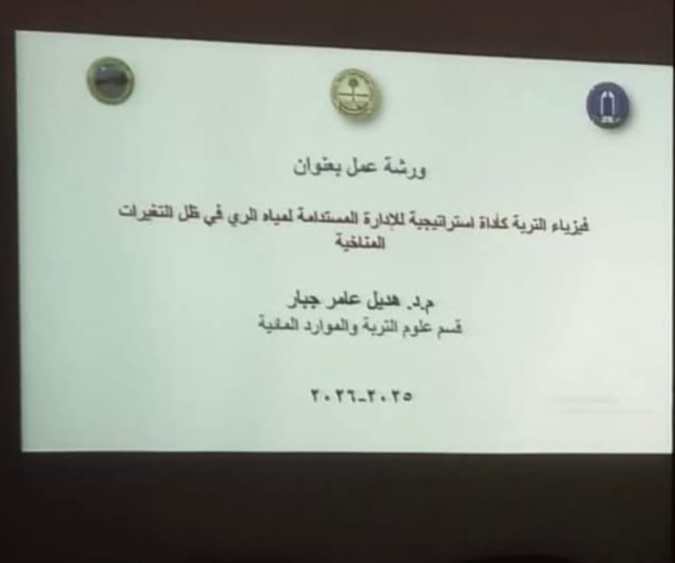
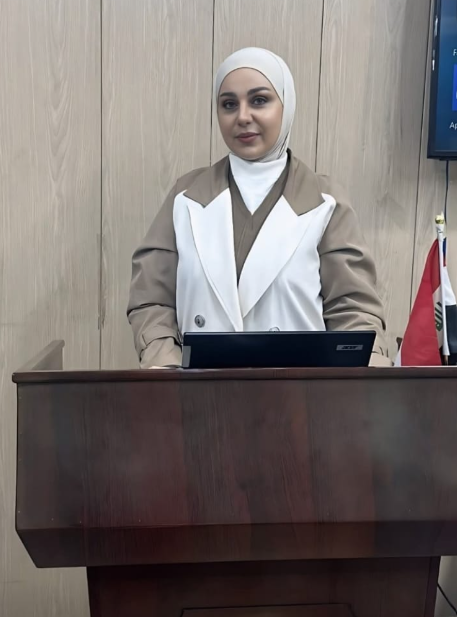
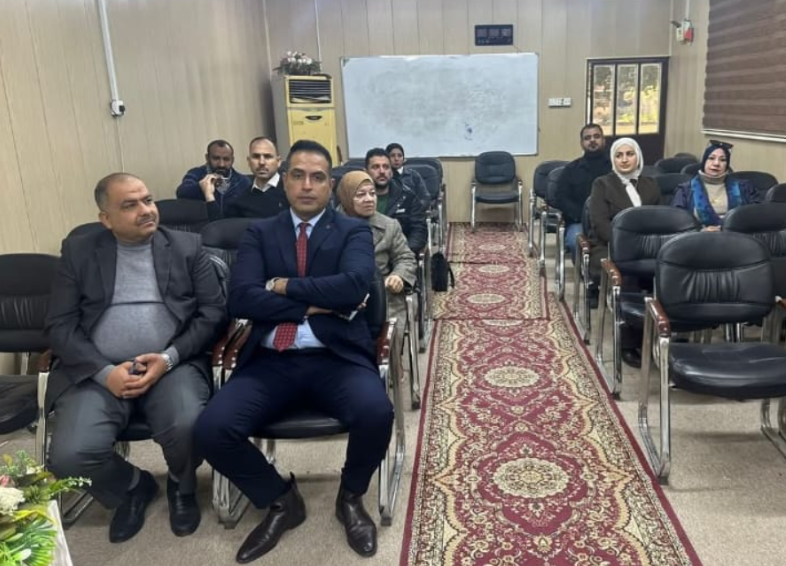
نظم قسم علوم التربة والموارد المائية بالتعاون مع وحدة التعليم المستمر ورشة عمل علمية متخصصة بعنوان "فيزياء التربة كأداة استراتيجية للإدارة المستدامة لمياه الري في ظل التغيرات المناخية" برعاية عميد كلية علوم الهندسة الزراعية الأستاذ الدكتورة أميرة محمد صالح وإشراف رئيس القسم الأستاذ المساعد الدكتور أحمد عبد الوهاب عبد الرضا وحضور عدد من تدريسيي القسم ألقتها المدرس الدكتورة هديل عامر جبار.
وهدفت الورشة إلى تسليط الضوء على الدور الحيوي لفيزياء التربة في تنظيم حركة الماء داخل التربة، وتقليل الفاقد المائي، ورفع كفاءة استخدام مياه الري، والتي تعزز كفاءة مواجهة التحديات المتزايدة التي تواجه القطاع الزراعي نتيجة ندرة الموارد المائية والتغيرات.
وتضمنت محاضرة قيمة تناولت عرض تطبيقات علمية حديثة ناجحة محلية وعالمية، شملت استخدام الماء الممغنط، أنظمة الري الذكي المعتمدة على حساسات رطوبة التربة والذكاء الاصطناعي، والطائرات المسيّرة، إضافة إلى مبادئ الزراعة المحافظة، مع شرح الآليات الفيزيائية التي أسهمت في تحسين توزيع الرطوبة داخل منطقة الجذور وزيادة إنتاجية المحاصيل.
وخرجت الورشة بمجموعة من التوصيات، أبرزها اعتماد الأساليب المستدامة في إدارة مياه الري، ودعم البحث العلمي والتدريب المستمر، وتعزيز التعاون المؤسسي في مجال إدارة الموارد المائية.
وجاءت هذه الورشة تحقيقاً لأهداف التنمية المستدامة، لا سيما الهدف السادس (المياه النظيفة والنظافة الصحية)، والهدف الثالث عشر (العمل المناخي).
A Workshop on Soil Physics Organized by the College of Agricultural Engineering Sciences
The Department of Soil Science and Water Resources, in cooperation with the Continuing Education Unit, organized a specialized scientific workshop entitled “Soil Physics as a Strategic Tool for Sustainable Irrigation Water Management under Climate Change”. The workshop was held under the patronage of the Dean of the College of Agricultural Engineering Sciences, Prof. Dr. Ameera Mohammed Saleh, and under the supervision of the Head of the Department, Assistant Prof. Dr. Ahmed Abdul Wahab Abdul Redha, with the attendance of a number of the department’s academic staff members. The workshop was delivered by Lecturer Dr. Hadeel Amer Jabbar.
The workshop aimed to highlight the vital role of soil physics in regulating water movement within the soil, reducing water losses, and increasing the efficiency of irrigation water use. These aspects contribute to strengthening the capacity to face the increasing challenges encountered by the agricultural sector as a result of water scarcity and climate change.
The workshop included a valuable lecture that presented modern and successful local and international scientific applications, including the use of magnetized water, smart irrigation systems based on soil moisture sensors and artificial intelligence, drones, and conservation agriculture principles. The lecture also explained the physical mechanisms that contributed to improving moisture distribution within the root zone and increasing crop productivity.
The workshop concluded with a set of recommendations, most notably adopting sustainable methods in irrigation water management, supporting scientific research and continuous training, and enhancing institutional cooperation in the field of water resources management.
This workshop was conducted in support of the Sustainable Development Goals, particularly Goal 6: Clean Water and Sanitation and Goal 13: Climate Action.