دور أحياء التربة المجهرية في تحسين خصوبة التربةورشة عمل Keywords: Microbial Activity, Soil Health, Beneficial Microorganisms
College of Science
ورشة عمل عن دور أحياء التربة المجهرية في التربة تنظمها كلية علوم الهندسة الزراعية
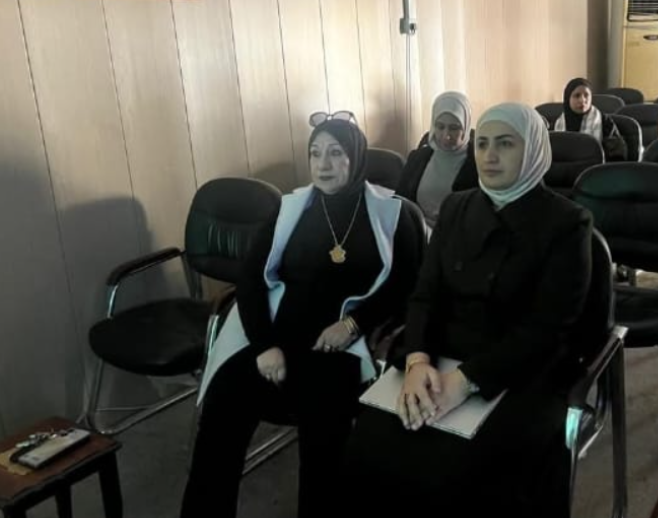
نظم قسم علوم التربة والموارد المائية بالتعاون مع وحدة التعليم المستمر ورشة عمل علمية متخصصة بعنوان "دور أحياء التربة المجهرية في تحسين خصوبة التربة"، برعاية عميد كلية علوم الهندسة الزراعية الأستاذ الدكتورة أميرة محمد صالح، وإشراف رئيس القسم الأستاذ المساعد الدكتور أحمد عبد الوهاب عبد الرضا، وحضور عدد من تدريسيي القسم.
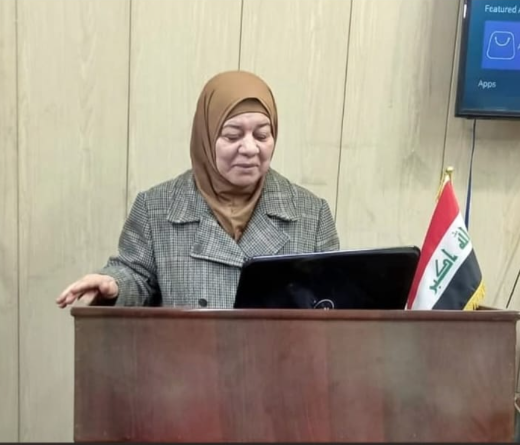
وهدفت الورشة إلى تسليط الضوء على الأسس العلمية لدور الأحياء المجهرية في التربة، وسلوكها في زيادة تحسين خصوبة التربة وزيادة الإنتاج الزراعي. وتضمنت محاضرة قيمة قدمتها المدرس المساعد وجدان طالب كاظم.
وخرجت بمجموعة من التوصيات، أبرزها تعزيز الإدارة الحيوية بشكل مستدام والتعامل مع ملوحة التربة في المناطق المتأثرة بالملوحة، وإجراء اختبارات التربة الدورية والحد من الاستخدام العشوائي للمبيدات لضمان الاستدامة.
وجاءت هذه الورشة تحقيقاً لأهداف التنمية المستدامة، لا سيما الهدف الرابع (التعليم الجيد).
A Workshop on the Role of Soil Microorganisms Organized by the College of Agricultural Engineering Sciences
The Department of Soil Science and Water Resources, in cooperation with the Continuing Education Unit, organized a specialized scientific workshop entitled “The Role of Soil Microorganisms in Improving Soil Fertility.” The workshop was held under the patronage of the Dean of the College of Agricultural Engineering Sciences, Prof. Dr. Ameera Mohammed Saleh, and under the supervision of the Head of the Department, Assistant Prof. Dr. Ahmed Abdul Wahab Abdul Redha, with the attendance of a number of the department’s academic staff members.
The workshop aimed to highlight the scientific foundations of the role of microorganisms in soil and their behavior in improving soil fertility and increasing agricultural production. The workshop included a valuable lecture delivered by Assistant Lecturer Wijdan Talib Kazem.
The workshop concluded with a set of recommendations, most notably promoting sustainable biological management, addressing soil salinity in salt-affected areas, conducting periodic soil tests, and limiting the random use of pesticides to ensure sustainability.
This workshop was conducted in support of the Sustainable Development Goals, particularly Goal 4: Quality Education.