دور كيمياء التربة في الزراعة المستدامةدورة Keywords: Soil Chemistry, Sustainable Agriculture, Soil Salinity, Heavy Metals, Soil Pollution
College of Science
دورة تدريبية حول دور كيمياء التربة في الزراعة المستدامة
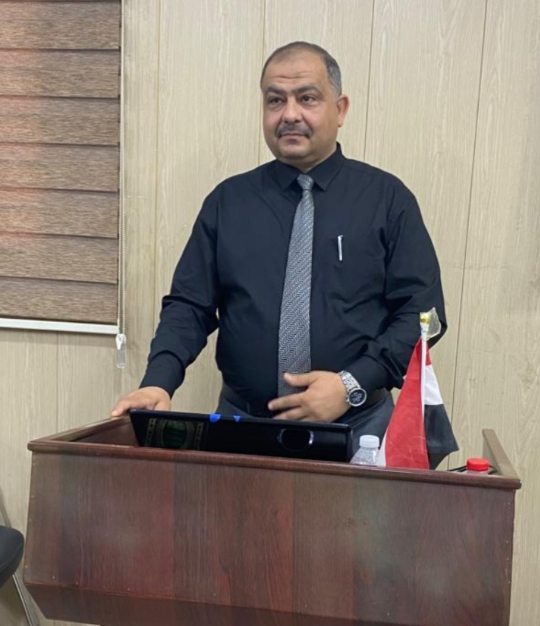
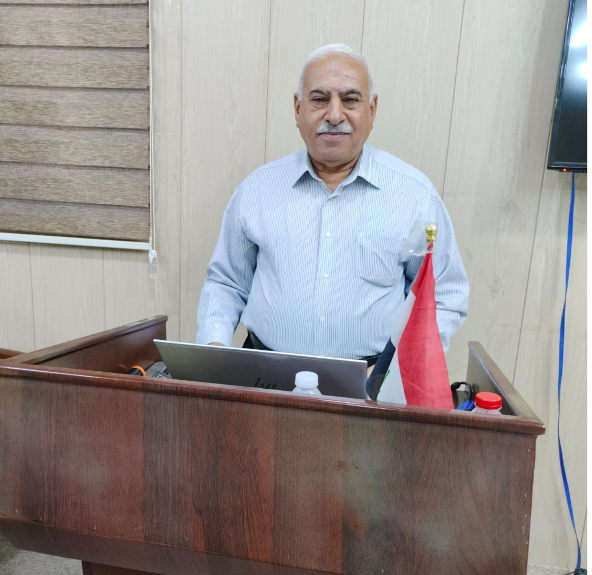
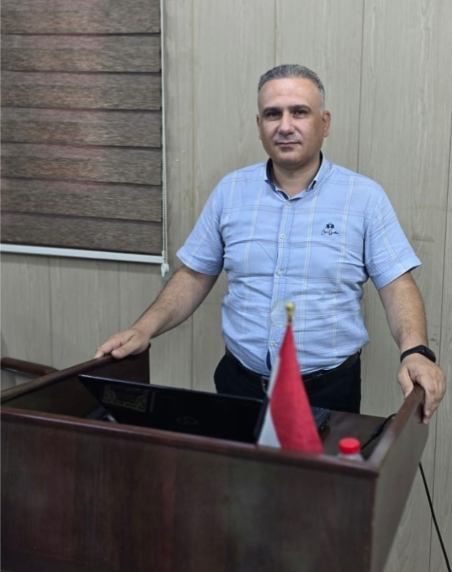
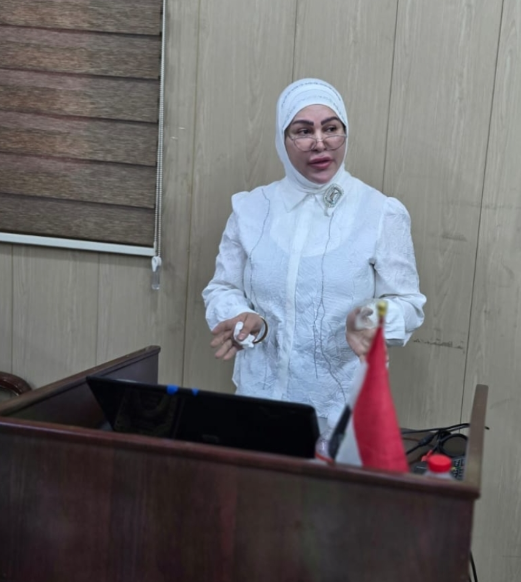
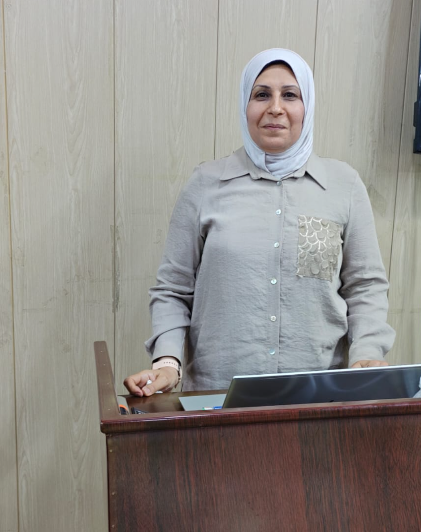
نظم قسم علوم التربة والموارد المائية في كلية علوم الهندسة الزراعية/ جامعة بغداد وبالتعاون مع وزارة التعليم العالي والبحث العلمي ووحدة التعليم المستمر دورة تدريبية بعنوان "دور كيمياء التربة في الزراعة المستدامة" ألقاها عدد من أساتذة القسم والمتمثل بكل من
الأستاذ الدكتور كاظم مكي ناصر، الأستاذ الدكتور عبد الباقي داود سلمان، الأستاذ المساعد الدكتور أشرف محمد شريف ، الأستاذ المساعد الدكتورة سلوى هاشم خلف، المدرس الدكتورة عواطف حميد دعدوش والمدرس الدكتور ليث جودة كريم .
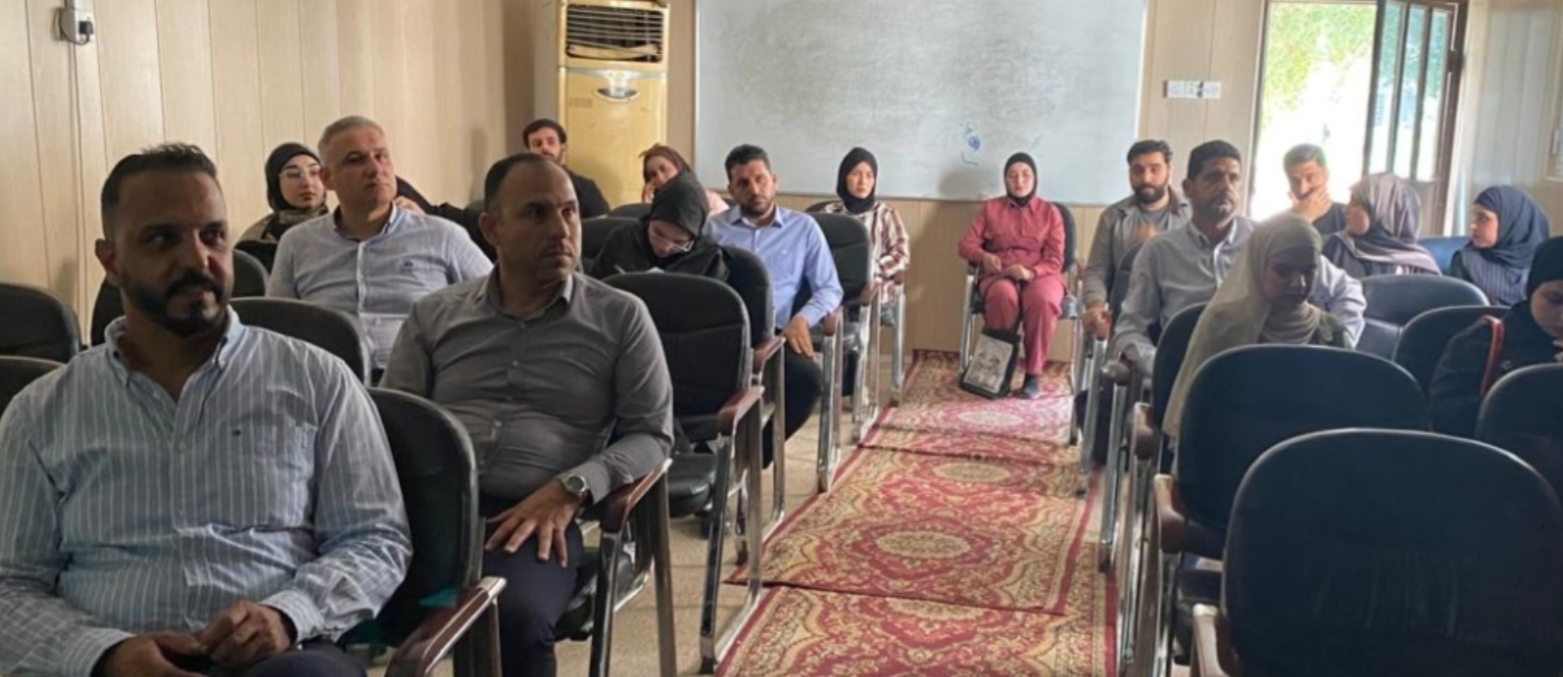
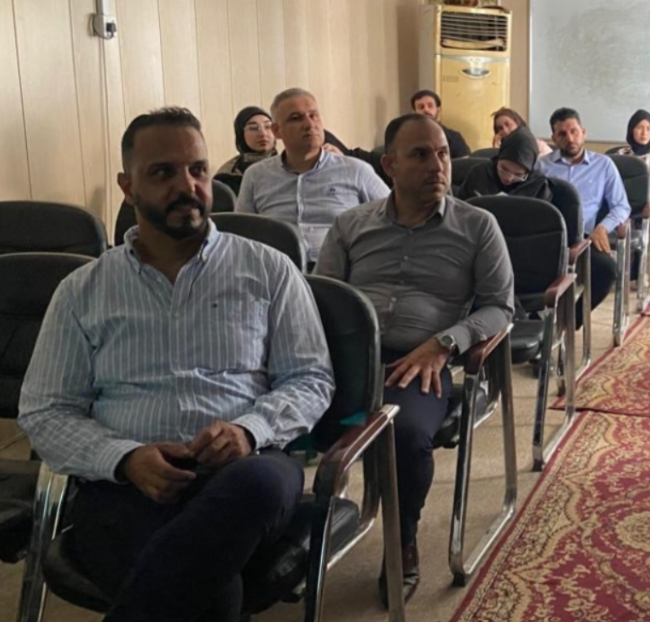
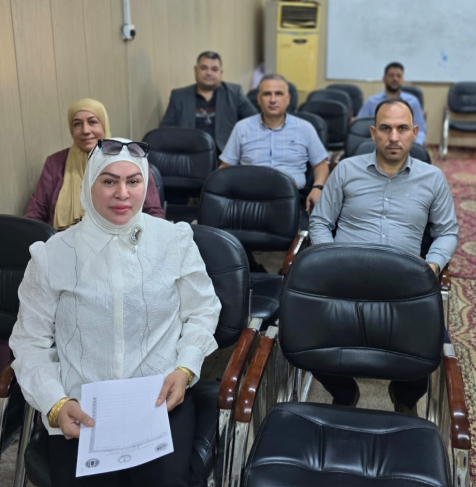
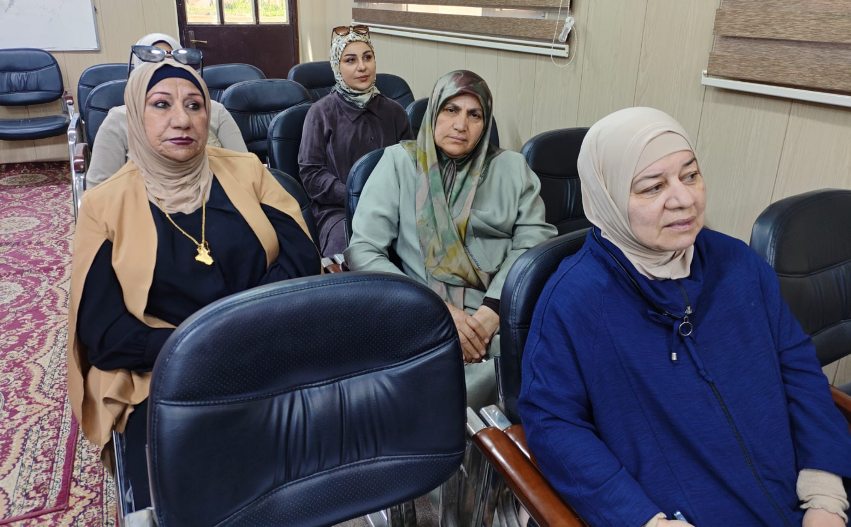
وبحضور رئيس قسم علوم التربة والموارد المائية الأستاذ المساعد الدكتور أحمد عبد الوهاب عبد الرضا و عدد من تدريسيي القسم وطلبة الدراسات الأولية والعليا
تناولت الدورة التدريبية أهمية كيمياء التربة كأحد الأسس العلمية لتحقيق الزراعة المستدامة، من خلال فهم التفاعلات الكيميائية التي تتحكم في جاهزية العناصر الغذائية للنبات. كما ركزت على تحسين إدارة الموارد الطبيعية، وتقليل التأثيرات البيئية الناتجة عن الاستخدام غير الرشيد للأسمدة. أن فهم كيمياء التربة له دورا مهما في الحد من تملح الترب ويتم ذلك من خلال تشخيص المشكلة بدقة وبالتالي تطبيق حلول علمية فعالة فضلا عن ادارة مخاطر العناصر الثقيلة وفهم سلوكها وعليه تسهم عملية فهم كيمياء التربة في الحفاظ على جودة التربة والمياه وهي بذلك تمثل دعم لانتاج زراعي مستدام فضلا عن تقليل المخاطر البيئية الناتجة عن التلوث.
شهدت الدورة تفاعلاً مميزاً من المشاركين، حيث تم تبادل الخبرات العلمية وطرح الحلول التطبيقية التي تسهم في تطوير القطاع الزراعي. وتؤكد هذه الخطوة على أن الإدارة السليمة لكيمياء التربة، ولا سيما فيما يتعلق بالعناصر الثقيلة، تمثل خطوة أساسية نحو تحقيق زراعة مستدامة وآمنة. بالاضافة إلى ان الالتزام بالتحليل الدوري للتربة، واعتماد الممارسات الزراعية الحديثة، وتطبيق أساليب المعالجة المناسبة، من شأنه أن يحد من مخاطر التلوث ويحافظ على جودة التربة والإنتاج الزراعي فضلا عن كون هذه التوصيات تتطلب تكاملاً بين الجهود البحثية والتطبيقية، وتعاوناً فعالاً بين المؤسسات الأكاديمية والجهات الزراعية والمزارعين، لضمان حماية الموارد الطبيعية وتعزيز الأمن الغذائي للأجيال الحالية والمستقبلية.
A Training Course on the Role of Soil Chemistry in Sustainable Agriculture
The Department of Soil Science and Water Resources at the College of Agricultural Engineering Sciences / University of Baghdad, in cooperation with the Ministry of Higher Education and Scientific Research and the Continuing Education Unit, organized a training course entitled “The Role of Soil Chemistry in Sustainable Agriculture”. The course was delivered by a number of the department’s academic staff members, namely:
Prof. Dr. Kazem Makki Nasser, Prof. Dr. Abdul-Baqi Dawood Salman, Assistant Prof. Dr. Ashraf Mohammed Shareef, Assistant Prof. Dr. Salwa Hashim Khalaf, Lecturer Dr. Awatif Hameed Daadoush Lecturer Dr. Laith Jawda Kareem
The course was attended by the Head of the Department of Soil Science and Water Resources, Assistant Prof. Dr. Ahmed Abdul Wahab Abdul Redha, along with a number of the department’s academic staff members, undergraduate students, and postgraduate students.
The training course addressed the importance of soil chemistry as one of the scientific foundations for achieving sustainable agriculture through understanding the chemical reactions that control the availability of nutrients to plants. It also focused on improving the management of natural resources and reducing the environmental impacts resulting from the improper use of fertilizers.
Understanding soil chemistry plays an important role in reducing soil salinization by accurately diagnosing the problem and, accordingly, applying effective scientific solutions. In addition, it contributes to managing the risks of heavy metals and understanding their behavior in soil. Therefore, understanding soil chemistry helps preserve soil and water quality, supports sustainable agricultural production, and reduces environmental risks resulting from pollution.
The course witnessed remarkable interaction from the participants, during which scientific expertise was exchanged and practical solutions were discussed to contribute to the development of the agricultural sector. This step emphasizes that the proper management of soil chemistry, particularly with regard to heavy metals, represents an essential step towards achieving safe and sustainable agriculture.
Furthermore, commitment to periodic soil analysis, adoption of modern agricultural practices, and application of appropriate remediation methods can reduce pollution risks, preserve soil quality, and improve agricultural production. These recommendations require integration between research and applied efforts, as well as effective cooperation among academic institutions, agricultural authorities, and farmers, to protect natural resources and enhance food security for current and future generations.