الضبط الاجتماعي في الحضارة الإسلامية // Social control in Islamic civilizationمحاضرة
by
قاعه د نبيله داوود
مركز احياء التراث العلمي العربي
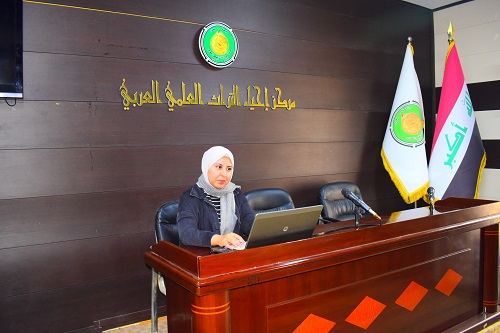
نظم مركز احياء التراث العلمي العربي في جامعة بغداد صباح يوم الثلاثاء الموافق ٢٣\١٢\٢٠٢٥ في تمام الساعة الحادية والنصف صباحاً سمنار بعنوان ( الضبط الاجتماعي في الحضارة الإسلامية ) وعلى قاعة الأستاذة نبيلة عبد المنعم داود وبحضور عدد من الأساتذة والباحثين حيث ألقت المحاضرة المدرس المساعد زينب خالد محمد التدريسية في مركزنا . حيث عٌرفت مفهوم الضبط الاجتماعي كأحد مفاهيم علم الاجتماع وتدرجت بعرضه من زمن الجاهلية مرورا بمجيء الإسلام وأسقطته على واقع المجتمع العراقي حيث كانت الشرعية نابعة من العرف القبلي وشخصنة السلطة بيد شيخ القبيلة أو التحالفات العشائرية والاعتماد على قوة الأعراف وأثناء مجيء الإسلام انتقلت سلطة الضبط إلى النص مقدّس (القرآن) والأحاديث النبوية وأصبحت السلطة مؤسسية تتجاوز الشخصنة والروابط الدموية وتؤسس لمرجع ثابت يعلو على الأفراد والجماعات . وتحدثت الباحثة عن آليات الضبط الاجتماعي في المجتمع العراقي حيث يعكس المجتمع مزيجا بين الجاهلية (الأعراف العشائرية والضغط الاجتماعي) والإسلام (المرجعية الدينية والقيم الأخلاقية) مع وجود القوانين والتشريعات التي تمارس من خلال مؤسسات الدولة فضلا عن دخول وسائل التواصل الاجتماعي والفضاء الرقمي كفاعل مهم في الضبط الاجتماعي فيما وضحت الباحثة بعض المقترحات لتفعيل الضبط الاجتماعي بشكل سليم وذلك عن طريق توظيف الإعلام والتكنولوجيا إيجابيا عن طريق حملات التوعية بدل حملات التشهير فضلا عن التنشئة المدنية والأخلاقية وتمكين الشباب عبر إشراكهم في صنع القرار.
On Tuesday morning, December 23, 2025, at 11:30 AM, the Center for the Revival of Arab Scientific Heritage at the University of Baghdad organized a seminar entitled "Social Control in Islamic Civilization" in the Professor Nabila Abdul-Munim Dawood Hall. The seminar was attended by a number of professors and researchers, and the lecture was delivered by Assistant Lecturer Zainab Khalid Muhammad, a faculty member at our center. She defined the concept of social control as one of the concepts of sociology and presented it gradually from the pre-Islamic era through the advent of Islam, applying it to the reality of Iraqi society. She explained that legitimacy stemmed from tribal custom and the personalization of power in the hands of the tribal sheikh or tribal alliances, relying on the strength of customary law. With the advent of Islam, the authority of control shifted to the sacred text (the Quran) and the Prophetic traditions (Hadith), and authority became institutionalized, transcending personalization and blood ties, and establishing a fixed reference point that superseded individuals and groups. The researcher spoke about the mechanisms of social control in Iraqi society, where society reflects a mixture of pre-Islamic ignorance (tribal customs and social pressure) and Islam (religious authority and moral values), with the presence of laws and legislation that are practiced through state institutions, as well as the entry of social media and the digital space as an important actor in social control. The researcher explained some proposals to activate social control properly by employing media and technology positively through awareness campaigns instead of defamation campaigns, as well as civic and moral upbringing and empowering youth by involving them in decision-making.
سمنار