مركز احياء التراث العلمي العربي
الأراضي الزراعية وطرق إروائها في حضارة العراق القديم // Agricultural lands and irrigation methods in ancient Iraqi civilizationمحاضرة
by
→
Asia/Baghdad
قاعه د نبيله داوود (مركز احياء التراث العلمي العربي )
قاعه د نبيله داوود
مركز احياء التراث العلمي العربي
الجادرية -مجمع جامعة بغداد
Description
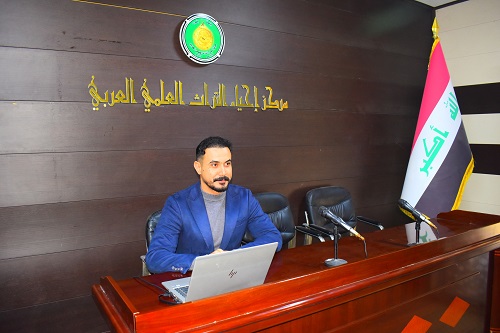
نظم مركز احياء التراث العلمي العربي في جامعة بغداد صباح يوم الأحد الموافق ٢٨/١٢/٢٠٢٥ سمنارًا علميًا بعنوان ( الأراضي الزراعية وطرق إروائها في حضارة العراق القديم ) وعلى قاعة الأستاذة نبيلة عبد المنعم داود و بحضور عدد من الأساتذة والباحثين والمهتمين بالشأن الحضاري والتاريخي. وألقى السمنار المدرس المساعد ميلاد محمد ياسين التدريسي في مركزنا متحدث عن أهمية الزراعة في حضارة العراق القديم والأساليب المتقدمة التي اعتمدها العراقيون القدماء في ري الأراضي الزراعية ودور هذه التقنيات في ازدهار الحضارات القديمة واستقرار المجتمعات. مؤكدًا أهمية تسليط الضوء على الإرث الحضاري للعراق ودوره الريادي في تطور النظم الزراعية عبر العصور التاريخية عن التأكيد على الأهمية التاريخية للنظم الزراعية والري في حضارة العراق القديم مبيناً ان الزراعة هي الأساس الاقتصادي للحضارات القديمة في العراق مثل السومرية والبابلية والاشورية وتنوعت ملكية الأراضي بين المعابد والملوك والفلاحين الذين كانوا يزرعون الأرض مقابل دفع الضرائب او جزء من المحصول ومن اهم المحاصيل التي زرعت القمح والشعير والتمر إضافة الى بعض الخضروات والبقوليات وكان للنخيل دور مهم في حياة السكان . موضحاً الدور المحوري الذي لعبته شبكات الري في تحقيق الاستقرار الاقتصادي والاجتماعي كما شدد الحاضرون على ضرورة الإفادة من التجارب الزراعية القديمة في الدراسات الأكاديمية المعاصرة وتشجيع البحث العلمي المتخصص في تاريخ الزراعة والموارد المائية في العراق .
On Sunday morning, December 28, 2025, the Center for the Revival of Arab Scientific Heritage at the University of Baghdad organized a scientific seminar entitled "Agricultural Lands and Irrigation Methods in Ancient Iraqi Civilization." The seminar was held in the Professor Nabila Abdul-Munim Dawood Hall and was attended by a number of professors, researchers, and those interested in cultural and historical affairs. Assistant Lecturer Milad Muhammad Yassin, a faculty member at our center, presented the seminar, discussing the importance of agriculture in ancient Iraqi civilization, the advanced methods employed by the ancient Iraqis in irrigating agricultural lands, and the role of these technologies in the flourishing of ancient civilizations and the stability of societies. Emphasizing the importance of highlighting Iraq's cultural heritage and its pioneering role in the development of agricultural systems throughout history, the speaker stressed the historical significance of agricultural and irrigation systems in ancient Iraqi civilization. He explained that agriculture was the economic foundation of ancient Iraqi civilizations such as the Sumerian, Babylonian, and Assyrian. Land ownership varied among temples, kings, and farmers who cultivated the land in exchange for paying taxes or a share of the harvest. Among the most important crops cultivated were wheat, barley, and dates, in addition to some vegetables and legumes. Palm trees played a vital role in the lives of the inhabitants. He further explained the pivotal role that irrigation networks played in achieving economic and social stability. The attendees also emphasized the need to utilize ancient agricultural experiences in contemporary academic studies and to encourage specialized scientific research in the history of agriculture and water resources in Iraq.
Organised by
سمنار
م.م. ميلاد محمد