فهرسة وتصنيف خزائن الكتب بين التراث والمعاصرة // Cataloging and classifying book collections: between heritage and modernityمحاضرة
by
قاعه دنبيله داوود
مركز احياء التراث العلمي العربي
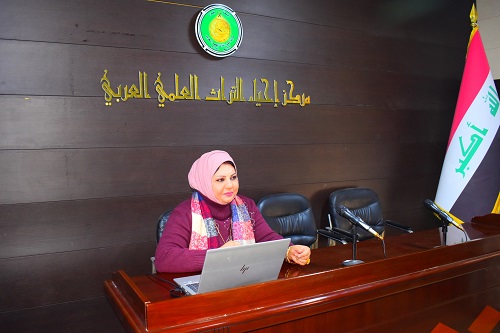
نظم مركز احياء التراث العلمي العربي في جامعة بغداد صباح يوم الأربعاء الموافق ١٧\١٢\٢٠٢٥ في تمام الساعة الحادية عشر والنصف صباحاً سمنار بعنوان ( فهرسة وتصنيف خزائن الكتب بين التراث والمعاصرة ) وبحضور عدد من تدريسي المركز وعلى قاعة الأستاذة نبيلة عبد المنعم داود ألقت المحاضرة الدكتورة لقاء عامر عاشور التدريسية في مركزنا متحدثة عن الحضارة الإسلامية التي تُعد نقطة انطلاق رائدة في علم تنظيم المكتبات حيث لم يقتصر اهتمام المسلمين على جمع الكتب والمخطوطات بل امتد إلى فهرستها وتصنيفها بأسلوب علمي دقيق يسهل الوصول إليها واعتمدت خزائن بغداد ودمشق والقاهرة على تقسيم الكتب بحسب العلوم وإعداد دفاتر الفهرسة واستخدام رموز للرفوف وقد انتقلت هذه التجربة إلى الغرب عبر الأندلس وحركة الترجمة مؤثرة في نظم الفهرسة الأوروبية بما في ذلك نظام ديوي العشري الذي يعكس جذورًا فلسفية متأصلة في التراث الإسلامي. حيث اضافت الباحثة نماذج للكتب واعتبرت كتاب “الفهرست” لابن النديم نموذجًا رائدًا في منهجية الفهرسة إذ قسم المعرفة إلى عشرة مقالات رئيسية وربط بين المؤلفين والمحتوى بأسلوب علمي متدرج . مؤكدةً ان هذه التجربة لم يكونوا المسلمين مجرد جامعين للكتب بل مؤسسين لمنهج شامل لتنظيم المعرفة وأسس قواعد علم المكتبات التي تطورت لاحقًا إلى أنظمة الفهرسة والتصنيف العالمية المعمول بها حتى اليوم .
On Wednesday morning, December 17, 2025, at 11:30 AM, the Center for the Revival of Arab Scientific Heritage at the University of Baghdad organized a seminar entitled “Cataloging and Classifying Book Collections Between Heritage and Modernity.” In the presence of a number of the center’s faculty members, and in the hall of Professor Nabila Abdul-Munim Dawood, Dr. Liqa’ Amer Ashour, a faculty member at our center, delivered the lecture, speaking about Islamic civilization, which is considered a pioneering starting point in the science of library organization. The interest of Muslims was not limited to collecting books and manuscripts, but extended to cataloging and classifying them in a precise scientific manner that facilitates access to them. The libraries of Baghdad, Damascus, and Cairo relied on dividing books according to sciences, preparing cataloging books, and using symbols for shelves. This experience was transferred to the West through Andalusia and the translation movement, influencing European cataloging systems, including the Dewey Decimal System, which reflects philosophical roots inherent in Islamic heritage. The researcher added examples of books and considered Ibn al-Nadim's "Al-Fihrist" a pioneering model in cataloging methodology, as he divided knowledge into ten main sections and linked authors and content in a progressive, scientific manner. She emphasized that this experience demonstrated that Muslims were not merely collectors of books, but rather founders of a comprehensive methodology for organizing knowledge and establishing the foundations of library science, which later developed into the global cataloging and classification systems used to this day.
سمنار