الدول الزيادية في اليمن / Ziyadid State in Yemenمحاضرة
by
قاعه د نبيله داود
مركزو احياء التراث العلمي العربي
سمنار
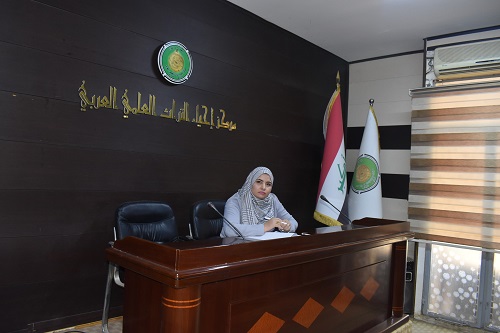
بأشراف الأستاذ الدكتور ليث مجيد حسين مدير مركز احياء التراث العلمي العربي في جامعة بغداد عقد مركزنا صباح يوم الخميس الموافق ١٦\١٠\٢٠٢٥ وبحضور عدد من الأساتذة و الباحثين وعلى قاعة الأستاذة نبيلة عبد المنعم داود سمنار بعنوان ( الدولة الزياديه في اليمن ) ألقى المحاضرة المدرس الدكتورة سحر حسن عبد الرسول التدريسية في مركزنا متحدثة عن كثرة الاضطرابات في اليمن والمشاكل التي حدثت ومن اجل التخلص منها وإعادة الأمور الى ما كانت عليه فصلت تهامه واقامة حكم مستقل وتعيين والي جديد إقرار استقرار في ربوعها وهو احد الزعامات اليمنية التي كانت مقرها المناطق الغربية من مخلاف جعفر كانت هناك قوة أخرى منافسة ولقد اغترفت الخلافة العباسية ومنحها الشرعية مقابل الولاء الاسمي تولى محمد بن زياد (٢٠٤ الى ٢٤٥ هـ ) وتولى من بعده إبراهيم من ( ٢٤٥الى ٢٨٩هـ ) وتولى إسحاق بن إبراهيم ابي الجيش ٣٩١ هـ وتوسعت الدولة وامتد نفوذها الى جنوب عدن وعلاقتهم بالخلافة العباسية كانت جيدة ويستمدون منها شرعية الحكم
Under the supervision of Professor Dr. Laith Majeed Hussein, Director of the Center for the Revival of Arab Scientific Heritage at the University of Baghdad,the Center held a seminar on Thursday, October 16, 2025, attended by a number of professors and researchers, in the Hall of Professor Nabeela Abdul Muneim Dawood.
The seminar was entitled “The Ziyadid State in Yemen”, and the lecture was delivered by Assistant Professor Dr. Sahar Hassan Abdul Rasool, a faculty member in the Center.
Dr. Rasool discussed the numerous disturbances and conflicts in Yemen and explained that, in order to restore stability, the region of Tihama was separated, an independent government was established, and a new governor was appointed to secure order in the region. This authority was one of the Yemeni leaderships based in the western areas of Mikhlaf Ja‘far, while another competing power also existed.
The Abbasid Caliphate recognized the Ziyadid authority and granted it legitimacy in exchange for nominal allegiance. Muhammad bin Ziyad ruled from 204 to 245 AH, followed by Ibrahim from 245 to 289 AH, and then Ishaq bin Ibrahim Abu al-Jaish in 391 AH. The state expanded its territory to the south of Aden, and its relations with the Abbasid Caliphate were strong, deriving political legitimacy from it.
سمنار