الطاقة الشمسية في العراق بين الواقع والطموح /Solar Energy in Iraq: Between Reality and Ambitionمحاضرة
by
قاعه د نبيله داود
مركز احياء التراث العلمي العربي
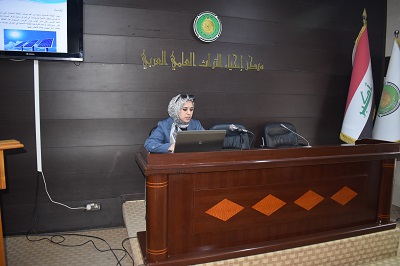
بأشراف الأستاذ الدكتور ليث مجيد حسين مدير مركز احياء التراث العلمي العربي في جامعة بغداد نظم مركزنا صباح يوم الاحد الموافق ٢١\٩\٢٠٢٥ في تمام الساعة العاشرة صباحاً وعلى قاعة الأستاذة نبيلة عبد المنعم داود وبحضور عدد من الأساتذة والاكاديميين سمنار بعنوان ( الطاقة الشمسية في العراق بين الواقع والطموح ) ألقى المحاضرة المدرس المساعد ولاء ضياء نصيف التدريسية في مركزنا متحدثة عن الطاقة الشمسية التي تعتبر واحدة من أهم مصادر الطاقة المتجددة التي يمكن أن تساهم في تحقيق التنمية المستدامة في العراق حيث تتوفر كميات هائلة من أشعة الشمس على مدار العام حيث تبرز الفرص لاستخدام هذه الطاقة بشكل أكبر ومع ذلك تواجه تكنولوجيا الطاقة الشمسية في العراق تحديات متعددة تتطلب استراتيجيات فعالة للتغلب عليها يمتلك العراق إمكانيات هائلة لتطوير تكنولوجيا هذه الطاقة ولكن يتطلب ذلك التغلب على العديد من التحديات من خلال التعاون بين الحكومة والقطاع الخاص والمجتمع يمكن للعراق أن يستفيد من هذه الفرصة لبناء مستقبل طاقة مستدامة وأكثر كفاءة .وفي الختام شكرت ادارة المركز المحاضرة متمنين لها دوام الموفقية والنجاح .
Under the supervision of Prof. Dr. Laith Majid Hussein, Director of the Center for the Revival of Arab Scientific Heritage at the University of Baghdad, our Center organized a seminar on Sunday morning, September 21, 2025, in the Nabīlah Abd al-Munim Dawood Hall. The event was attended by a number of professors and academics and was entitled “Solar Energy in Iraq: Between Reality and Ambition.”
The lecture was delivered by Assistant Lecturer Walaa Diaa Naseef, a faculty member at our Center, who spoke about solar energy as one of the most important renewable energy sources that can contribute to sustainable development in Iraq. She highlighted the country’s abundant solar radiation throughout the year, which presents great opportunities for expanded use of solar energy.
However, solar energy technology in Iraq faces multiple challenges that require effective strategies to overcome. Iraq has immense potential to develop this technology, but realizing this potential depends on addressing these challenges through collaboration between the government, the private sector, and the community. By doing so, Iraq can build a more sustainable and efficient energy future. At the conclusion of the seminar, the Center’s administration expressed its thanks to the lecturer, wishing her continued success in her academic career.
سمنار