فن التذهيب في التراث المخطوط// he Art of Gilding in Manuscript Heritageمحاضرة
by
قاعه د نبيله داوود
مركز احياء التراث العلمي العربي
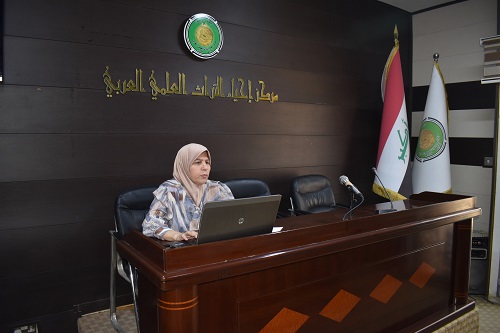
أشراف الأستاذ الدكتور ليث مجيد حسين مدير مركز احياء التراث العلمي العربي في جامعة بغداد نظم مركزنا سمنار صباح يوم الثلاثاء الموافق ١٦\٩\٢٠٢٥ في تمام الساعة العاشرة صباحاً وعلى قاعة الأستاذة نبيلة عبد المنعم داود وبحضور عدد من الأساتذة والاكاديميين سمنار بعنوان ( فن التذهيب في التراث المخطوط ) ألقى المحاضرة الأستاذ المساعد الدكتورة زينب كامل كريم التدريسية في مركزنا متحدثة عن التذهيب بوصفه ابداعا فنيا ومجالا متميزا وأساسيا في الطرز المعرفية للفنون الاسلامية فهو يتعدى ان يكون صنعة أو حرفة فجماليته توحي انه فن مميز من الفنون الاسلامية كالخط والتصوير والزخرفة وفن التجليد وغيرها ومن هنا كثرت الدراسات حول هذا الفن تأصيلا لبداياته ومراحل تطوره والوانه وتأثره بمختلف البيئات التي ازدهر فيها فكان التذهيب وفق الطرز المختلفة منها التذهيب الاموي والعباسي والفارسي والمصري والاندلسي والعثماني وكل طرز بات يمثل مدرسة في هذا الفن واضافت الباحثة ان دراسة التذهيب في المخطوطات له أهمية في مجالات كثيرة منها تمثل قطعا نادرة لما تحتويه من جماليات غاية في الابداع خاصة المصاحف القرآنية ولما كان التذهيب جزءا مهماً في هذه القطع من المخطوطات فقطعا أنها تعرضت للتلف حالها حال المخطوط ، ولابد للمهتمين من الاعتناء بها حفاظا على هذا الفن وعلى هذه القطع النفيسة , وتخلل السمنار عدة مداخلات حول موضوع التذهيب وفي الختام شكر مدير المركز الباحثة متمنياً لها دوام الموفقية والنجاح .
Under the supervision of Prof. Dr. Laith Majid Hussein, Director of the Center for the Revival of Arab Scientific Heritage at the University of Baghdad, our Center organized a seminar on Tuesday morning, September 16, 2025 and academics and was entitled “The Art of Gilding in Manuscript Heritage.”
The lecture was delivered by Assistant Professor Dr. Zainab Kamel Karim, a faculty member at our Center, who spoke about gilding as an artistic creativity and a distinguished, essential field within the knowledge frameworks of Islamic arts. She explained that gilding goes beyond being a craft or profession; its aesthetic quality suggests that it is a unique Islamic art, alongside calligraphy, painting, ornamentation, and bookbinding.
For this reason, many studies have focused on gilding, tracing its beginnings, stages of development, colors, and its influences across the different environments in which it flourished. Gilding evolved through various styles — Umayyad, Abbasid, Persian, Egyptian, Andalusian, and Ottoman — each of which became a distinct school of this art.
The researcher added that studying gilding in manuscripts holds great significance, as these works often represent rare pieces of extraordinary artistic beauty, especially Qur’anic manuscripts. Since gilding is an integral part of such manuscripts, it too has suffered damage over time, just as the manuscripts themselves have. Therefore, scholars and conservators must give due attention to preserving this art and safeguarding these precious works.
The seminar included several discussions on the topic, and at the conclusion, the Center’s Director thanked the researcher, wishing her continued success in her academic career.
سمنار