(Impact of Transportation Sector on Air Pollution and Greenhouses Gases Emissions Within Baghdad City-Iraq)(اطروحة دكتوراه تأثير قطاع النقل على تلوث الهواء وانبعاثات الغازات الدفيئة في مدينة بغداد-العراقمناقشة
by
قسم علوم الحياة
College of Science for Women
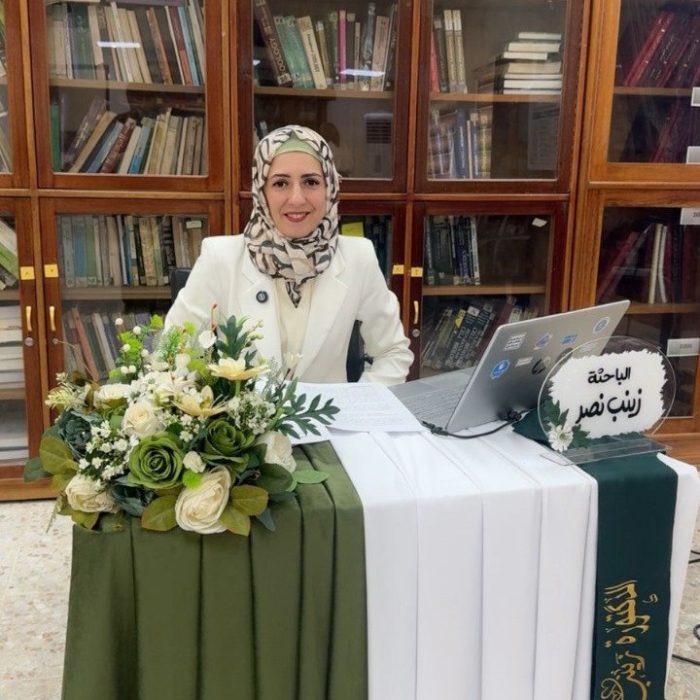
تتضمن الدراسة اجراء دراسة بحثية حول تقييم جودة الهواء وتحليل التوزيع الزماني والمكاني للغازات الدفيئة وبعض الملوثات الغازية الناتجة من عوادم المركبات على جانبي الكرخ والرصافة خلال أوقات الذروة الصباحية وذروة الظهيرة ، فضلا عن تقدير كمية انبعاثات الغازات الدفيئة باستخدام منهجية الفريق الحكومي الدولي المعني بتغير المناخ .(IPCC)
تهدف الاطروحة الى تقييم جودة الهواء التقاطعات المرورية في مدينة بغداد وقياس تراكيز الغازات الدفيئة وبعض الغازات الملوثة الناتجة من عوادم وسائط النقل.
خلصت الدراسة إلى أن عام ٢٠٢٣ شهد أعلى معدل لإجمالي انبعاثات الغازات الدفيئة من قطاع النقل في بغداد مقارنة بالسنوات السبع الماضية في مدينة بغداد بمعدل ١٥١٩٦.٩٠ كيكاغرام وقُدّرت انبعاثات CO₂ لسنة ٢٠٢٣ حوالي ١٤,٨٧٥ كيكا غرام بنسبة زيادة ٢٠٣ %. كما سجلت تراكيز الغازات الدفيئة كالميثان وثاني أوكسيد الكاربون وأوكسيد النتروز أعلى معدل خلال الموسم الجاف مقارنة بالموسم الرطب، كذلك تراكيز الملوثات الغازية الأخرى مثل SO٢, O٣, NOx سجلت ارتفاعا في جميع المواسم خاصة وقت الظهيرة في الموسم الجاف ، وارتفع مؤشر جودة الهواء إلى مستويات “خطرة” في العديد من مواقع الدراسة خلال الموسم الجاف، خصوصًا الأوزون وثاني أوكسيد الكبريت ، إذ سجلت مواقع القياس أكثر من ٧٠ % من تراكيز “غير صحية جدًا” و “خطيرة” ل O₃ و SO₂ . تجاوزت تراكيز الغازات مثل SO٢ و O٣ و NOx الحدود الوطنية والعالمية المسموح بها، وكانت أعلى مقارنة بموقع السيطرة. بينت الدراسة إن التراكيز المرتفعة ارتبطت بوجود إزدحامات مرورية بالأخص قرب المؤسسات التعليمية إذ ان المناطق التعليمية والمراكز التجارية كانت ضمن البؤر الساخنة بالأخص تقاطعات الرصافة بسبب الكثافة البشرية العالية والحركة المرورية المتكررة واستخدام وسائل نقل مختلفة وبعضها متهالكة فضلا عن تأثير المنشآت الصناعية كمحطة الكهرباء ومصفى الدورة قرب موقع الجادرية والبياع فضلا عن تأثير العوامل المناخية مثل درجة الحرارة والرطوبة النسبية. وأوضحت نتائج الدراسة أن زيادة النمو السكاني وتحسن المستوى المعيشي كان له الأثر على زيادة الطلب في شراء المركبات بشكل كبير وبالتالي زيادة في استهلاك الوقود بنوعيه البنزين العادي والديزل، كما أن نوع الوقود ومدة التوقف ونوع وصيانة المركبات وظروف الطقس كانت لها تأثيرًا مباشرا أدى الى زيادة الانبعاثات الضارة بالبيئة.
التقدير النهائي للاطروحة: أمتياز
The study includes conducting a research study on assessing air quality and analyzing the temporal and spatial distribution of greenhouse gases and some gaseous pollutants resulting from vehicle exhausts on both sides of Al-Karkh and Al-Rusafa during morning and afternoon peak times, in addition to estimating the amount of greenhouse gas emissions using the Intergovernmental Panel on Climate Change (IPCC) methodology.
The dissertation was conducted to to evaluate the air quality of Baghdad traffic intersections and measuring the concentrations of greenhouse gases and some gaseous pollutants resulting from transportation exhausts.
The study concluded that 2023 witnessed the highest total greenhouse gas emissions from the transportation sector in Baghdad compared to the past seven years, at 15,196.90 Gg. CO₂ emissions for 2023 were estimated at 14,875 g/L, representing a 203% increase. Concentrations of greenhouse gases such as methane, carbon dioxide, and nitrous oxide recorded higher levels during the dry season compared to the wet season. Concentrations of other gaseous pollutants such as SO₂, O₃, and NOx also increased in all seasons, especially during the afternoon in the dry season. The air quality index increased to “hazardous” levels in many study sites during the dry season, particularly for O₃ and SO₂, with more than 70% of the measurement sites recording “very unhealthy” and “hazardous” concentrations for O₃ and SO₂. Concentrations of gases such as SO₂, O₃, and NOx exceeded national and international permissible limits and were higher than at the control site. The study revealed that the high concentrations were associated with traffic congestion, especially near educational institutions. Educational areas and shopping centers were hotspots, particularly at Al-Rusafa intersections, due to high population density, frequent traffic, and the use of various means of transportation, sometimes dilapidated. In addition to the impact of industrial facilities such as the power plant and the Dora refinery near Al-Jadriya and Al-Bayaa sites, as well as the effect of climatic factors such as temperatures and relative humidity. The study results indicated that increased population growth and improved living standards significantly increased demand for vehicles, leading to an increase in fuel consumption, both regular gasoline and diesel. Also, fuel type, idle time, vehicle type and maintenance, and weather conditions had a direct impact, leading to an increase in environmentally harmful emissions.
The final grade:Excellent